Optimize Energy Efficiency With Roof Skylights: Spend Less While Transforming Your Home
Roof skylights offer a practical solution for property owners aiming to boost energy efficiency. By capturing daylight, they can considerably decrease power expenses and improve indoor comfort. Additionally, skylights foster a warmer and welcoming environment, complementing various architectural styles. However, selecting the right type and securing professional installation are necessary for gaining the most advantages. Understanding these factors can lead to informed decisions that reshape a property's energy efficiency. What aspects should residents consider?
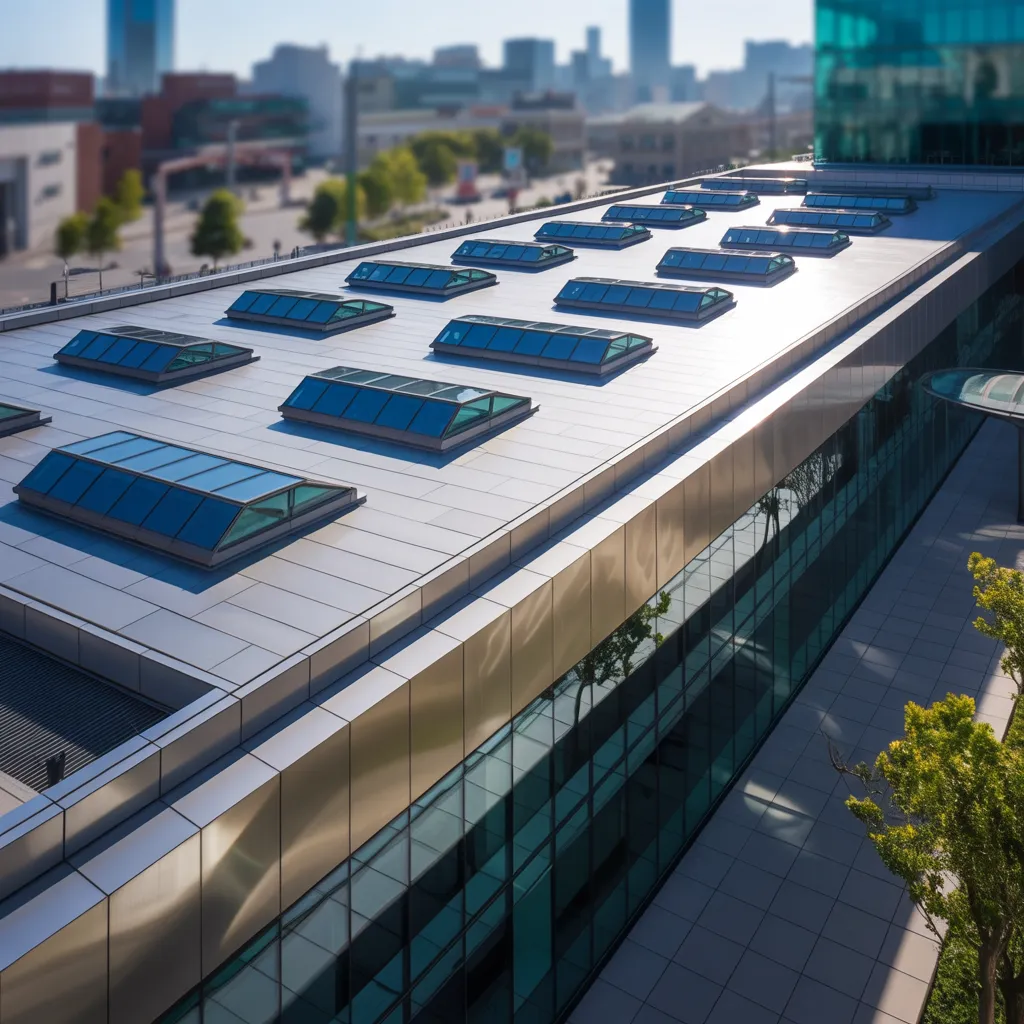
Ways Roof Skylights Increase Energy Efficiency and Save You Money
Roof skylights revolutionize spaces by capturing natural light, significantly boosting energy efficiency. By enabling sunlight to reach further into a residence, skylights minimize the dependence on artificial lighting throughout the day. This natural light source not only illuminates interiors more effectively but also results in decreased electricity consumption. Furthermore, numerous contemporary skylights feature energy-efficient glazing that limits heat loss during winter and lessens heat gain in summer. This quality supports the maintenance of a steady indoor temperature, consequently lowering the demand for heating and cooling systems. Consequently, homeowners may notice a considerable decrease in their energy bills. Moreover, strategically placed skylights can improve ventilation, promoting airflow and reducing humidity levels, which can also lead to energy savings. In summary, the addition of roof skylights serves as a worthwhile investment in improving energy efficiency within residential properties.
Skylights: Cut Energy Bills and Boost Comfort
Skylights flood interiors with light while at the same time cutting energy bills and boosting comfort. By allowing natural light to penetrate living spaces, skylights minimize the need for artificial lighting, which results in lower electricity consumption. This not only helps achieve lower energy expenses but also fosters a healthier indoor environment, as natural light is known to enhance mood and productivity.
Furthermore, skylights can improve heat management when properly installed. Contemporary designs often incorporate dual-pane glass and heat-reflective coatings, which minimize heat loss during cooler seasons and decrease heat gain during warmer seasons. This regulation of internal temperatures assists in maintaining a comfortable indoor climate year-round, also lowering dependency on climate control systems.
As energy efficiency becomes increasingly important for homeowners, the incorporation of skylights provides an effective solution. By harnessing the sun's energy, skylights function as a versatile dual-purpose addition—promoting both cost savings and a more inviting living space.
The Aesthetic Appeal of Roof Skylights
Although improving energy efficiency is a notable advantage, the aesthetic appeal of skylights is equally important. These structural elements transform spaces by flooding them with natural light, creating an inviting atmosphere that artificial lighting often fails to replicate. The shifting of sunlight during daylight hours imparts a vibrant dimension to interior spaces, highlighting textures and colors.
Furthermore, skylights can act as remarkable focal points, enhancing the entire design of a room. They provide unhindered views of the sky and nearby landscape, making spaces feel larger and connected to nature. Various designs and sizes permit homeowners to adapt skylights to their individual aesthetic tastes, whether current or conventional.
When all is said and done, the inclusion of skylights not only elevates energy efficiency but also elevates the overall appearance of a home, creating a more balanced living space.
Choosing the Right Roof Skylights for Your Home
Identifying the most suitable skylights for your roof entails recognizing the different available options and their specific advantages. Additionally, proper installation and regular maintenance are essential for optimizing energy efficiency and longevity. This overview will help homeowners with these essential factors.
Types of Roof Skylights
Choosing the correct kind of roof skylight can substantially elevate both the aesthetics and energy efficiency of a home. There are a number of skylight options to assess. Stationary skylights, which do not open, are perfect for optimizing natural light intake without ventilation needs. Opening skylights allow for airflow, working to decrease indoor moisture levels and improve air quality. Tube skylights are compact and efficient, channeling light from the roof to inside spaces, making them well-suited for smaller areas. Considering materials, skylights made of glass frequently offer better energy insulation compared to plastic options, while low-e coatings can boost energy efficiency. In the end, determining the right option is based on individual needs, the architectural style, and particular energy efficiency objectives.
Installation and Upkeep Advice
Incorporating roof skylights can substantially boost a home's natural illumination and energy savings, but careful consideration is vital for practical tips ideal results. Homeowners should first evaluate the roof's structure to ascertain it can support the skylight installation. Choosing the right type—fixed, vented, or tubular—depends on the desired light, ventilation, and aesthetic appeal. Proper placement is essential; ideally, skylights should be installed where they can capture maximum sunlight without obstructing views or compromising privacy.
Ongoing upkeep is just as critical. Residents are advised to check seals and flashing for potential leaks, wash the glass panels to preserve visibility, and remove any buildup that might hinder light transmission. By adhering to these recommendations, property owners can take full advantage of their skylights while ensuring lasting durability and efficiency.
A Guide to Installing Your Skylights: Essential Steps and Tips
Installing skylights demands thoughtful evaluation of placement and the right instruments for the project. Selecting an appropriate spot guarantees maximum natural light and energy efficiency, while maintaining essential installation tools on hand simplifies the process. This section will describe the essential steps and tips for a effective skylight setup.
Selecting The Ideal Location
Where should one place skylights to maximize natural light and energy efficiency? The best placement demands careful consideration of the building's orientation and the sun's movement. South-oriented skylights absorb the most sunlight, making them excellent choices for passive heating. Conversely, north-facing skylights provide consistent, diffused light without excessive heat gain, perfect for spaces requiring illumination without glare. Care should be taken to avoid spots where obstructions like trees or nearby structures could block sunlight. Additionally, placing skylights in high-traffic areas such as kitchens and living rooms enhances natural lighting and improves ambiance. In addition, evaluating the roof pitch and framework ensures appropriate water drainage and lowers the likelihood of leakage. Thoughtful location selection will greatly contribute to energy efficiency and overall home comfort.
Essential Installation Tools
Equipping oneself with the proper tools is essential for a productive skylight installation. A comprehensive toolkit should include a tape measure for exact measurements, a level to ensure proper alignment, and a utility knife for cutting roofing materials. Furthermore, a drill with suitable bits is needed for securing the skylight properly. Safety equipment, such as gloves and goggles, shields against potential hazards during installation. A caulking gun is important for spreading sealant to prevent leaks, while a hammer and roofing nails ensure a solid installation. Having a helper can also expedite the process, making it easier to handle and install the skylight. With these essential tools, homeowners can complete a smooth and effective skylight installation, enhancing their living spaces.
Key Maintenance Tips for Durable Skylights
Preserving rooftop skylights is essential for ensuring their longevity and ideal performance. Routine checks should be performed to detect any possible problems, such as cracks or moisture intrusion in the frame and glazing. Cleaning the skylights at least twice a year is crucial; this entails utilizing a gentle cloth and a mild cleaning solution to eliminate grime and buildup, which can obstruct light and compromise aesthetics.
Furthermore, checking weatherseals and stripping is essential for preventing air and water infiltration, ensuring energy efficiency. Homeowners should prune any branches overhead that could damage the skylights during storms. It is also important to inspect and clean gutters to reduce water pooling that could harm the skylight's structure. Finally, enlisting professional assistance for maintenance and repair work helps extend the longevity of the skylights, ensuring their continued contribution to the home's visual appeal and energy efficiency.

Common Questions and Answers
Can Skylights Boost Your Home's Resale Value
Skylights may significantly improve a home's market value by amplifying natural light, enhancing the overall aesthetics, and attracting environmentally aware buyers. Their capacity to establish a more appealing living space frequently renders skylight-equipped homes more attractive to buyers.
Can Skylights Help Reduce Dependence on Artificial Lighting?
Skylights can significantly decrease dependence on man-made lighting by allowing natural sunlight to illuminate indoor spaces. This improves the atmosphere while possibly reducing energy expenses, rendering homes more welcoming and environmentally friendly over time.
In What Ways Do Skylights Influence Indoor Temperature Changes?
Skylights can assist in moderating temperature variations indoors by offering natural light and thermal energy. Throughout sunny periods, they allow solar gain, while overnight, they can discharge built-up warmth, promoting a more balanced interior atmosphere.
Can You Get Tax Incentives for Installing Skylights?
Certainly, tax incentives for installing skylights might be offered, based on regional guidelines and energy-saving initiatives. Property owners should look into potential credits or rebates that support energy-efficient home upgrades, including skylight installations.
Do Skylights Improve Indoor Air Quality?
Skylights can improve indoor air quality by enabling natural airflow and minimizing the need for artificial lighting. This introduction of fresh air and sunlight works to reduce humidity and fosters a more healthful living space overall.
Comments on “Discover Rooflights for Improved Ventilation”